


Updates
15 Articles

In the dynamic landscape of the travel industry, where global connectivity and client expectations are constantly evolving, the demand for efficient and responsive ticketing services has never been more critical. Travel agents, as the orchestrators of unforgettable journeys, find themselves in a realm where the need for 24/7 ticketing support is paramount.

The pandemic has had an unprecedented impact on the global travel and tourism sector and its repercussions are still being felt. According to a Statista report, over 50 million travel jobs have been lost globally during the span of the pandemic. Now as we see restrictions being lifted gradually since mid 2022, demand surge has in turn created severe travel chaos in various countries – as seen in major cities such as London and the United States.

There is still a month left before we enter 2023, but the warnings of incoming economic downturns are already coming in thick and fast. According to KPMG’s latest CEO survey, 86% of top executives believe there will be an economic recession in the next 12 months. This is indicated by the tightening of monetary policy in 54 countries, rising interest rates and inflation for these past few months – not to mention the Russia Ukraine war and COVID-19 pandemic still ongoing.

As the Travel & Aviation industry is returning back to its pre-pandemic levels, revenue and profit maximisation opportunities in the industry are on the rise. The International Air Transport Association (IATA) projects industry-wide revenue this year could result in a 54.5% increase from last year and fulfil 93.3% of the 2019 level, the last full year before Covid. Meanwhile, costs will be 44% lower year over year. According to a recent report from McKinsey & Co, the aviation industry has a massive opportunity in the years ahead with a projected value of $440.6 billion by 2030.
Organisations are constantly relying on emerging technologies to help drive strategy and growth whilst enabling them to work more efficiently in numerous ways. Finding the right software solution often comes as one of the most important stress points in organisations.
Making the right decision in terms of pricing is crucial for any airline, especially when these decisions lead to maximisation of incoming revenue. To determine air fares and pricing, airlines need to be constantly updated with the nuances of current market demand, competitor strategy, passenger behaviour and all other related factors.
On top of these various factors to look out for, distribution and management of these fares also has various limitations due to complex workflows, dynamic airline-specific conditions, fares rules and other external factors.

Digital transformation continues to be a vital undertaking for airlines during this recovery period. According to the International Air Transport Association (IATA), total industry losses between 2020 and 2022 are expected to reach $201 billion. As a result, technology developments are continuously leveraged not only to optimise operations, but also to drive revenue and long-term growth.
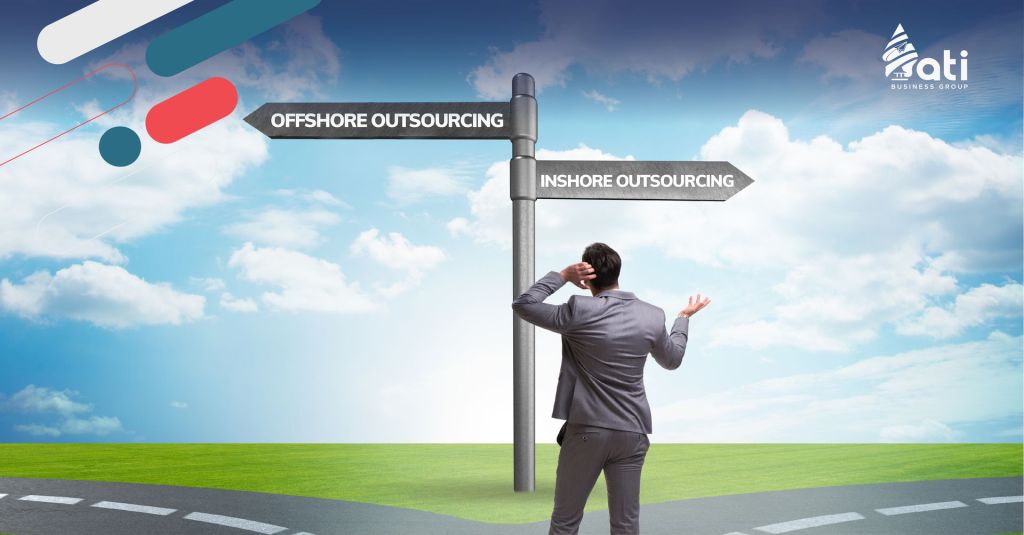

Over the last two decades, outsourcing has revolutionised the way enterprises approach a range of functions from document scanning, and human resources to IT services. Today, Business Process Outsourcing (BPO) is utilised not only as a simple cost-cutting mechanism but also as a strategic initiative to improve quality of business processes whilst optimising the bottom line of a company.
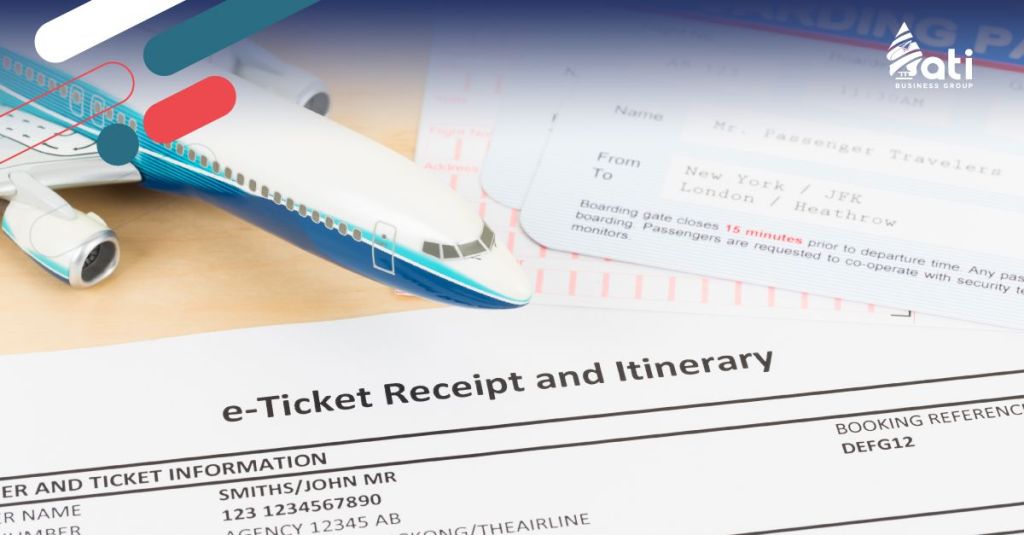
Do you remember the days of old paper airline tickets? Where arrival at the airport needs to be 2 to 3 hours in advance to check in and get a boarding pass printed just for a simple domestic flight? Evidently, the check -in process could take twice the time needed to get to a destination. Nowadays, airline tickets are generated as soon as travellers book their tickets, downloaded on their mobile phones and emailed to traveller’s convenience. Offering many advantages which include security, flexibility, cost, and convenience, e-tickets are significantly cheaper, making it possible for airlines to offer more competitive fares for travellers. E-tickets are booked and processed in real-time, saving labour hours and cutting down on travellers’ frustration. With its convenience, the travel and aviation industry is able to continue on its fast paced growth without any hindrance to unnecessary technicalities.
