

Updates
19 Articles

Organisations are constantly relying on emerging technologies to help drive strategy and growth whilst enabling them to work more efficiently in numerous ways. Finding the right software solution often comes as one of the most important stress points in organisations.

With the surge of travel demand since the lifting of most countries’ pandemic restrictions, the severe chaos in the aviation sector is undeniable and inevitable. According to FlightAware tracking data, airports around the world were already tallying more than 10,000 flight delays and 1,700 cancellations. Nearly four in five travellers (79%) who have taken an overnight trip outside their local area this year, according to a new Bankrate.com survey, have experienced at least one travel-related issue. Issues currently faced by customers and aviation providers include high prices (57%), long waits (29%), poor customer service (27%), hard-to-find availability (26%), lost money due to cancelled or disrupted plans (14%) or something else (4%).
Making the right decision in terms of pricing is crucial for any airline, especially when these decisions lead to maximisation of incoming revenue. To determine air fares and pricing, airlines need to be constantly updated with the nuances of current market demand, competitor strategy, passenger behaviour and all other related factors.
On top of these various factors to look out for, distribution and management of these fares also has various limitations due to complex workflows, dynamic airline-specific conditions, fares rules and other external factors.

Digital transformation continues to be a vital undertaking for airlines during this recovery period. According to the International Air Transport Association (IATA), total industry losses between 2020 and 2022 are expected to reach $201 billion. As a result, technology developments are continuously leveraged not only to optimise operations, but also to drive revenue and long-term growth.
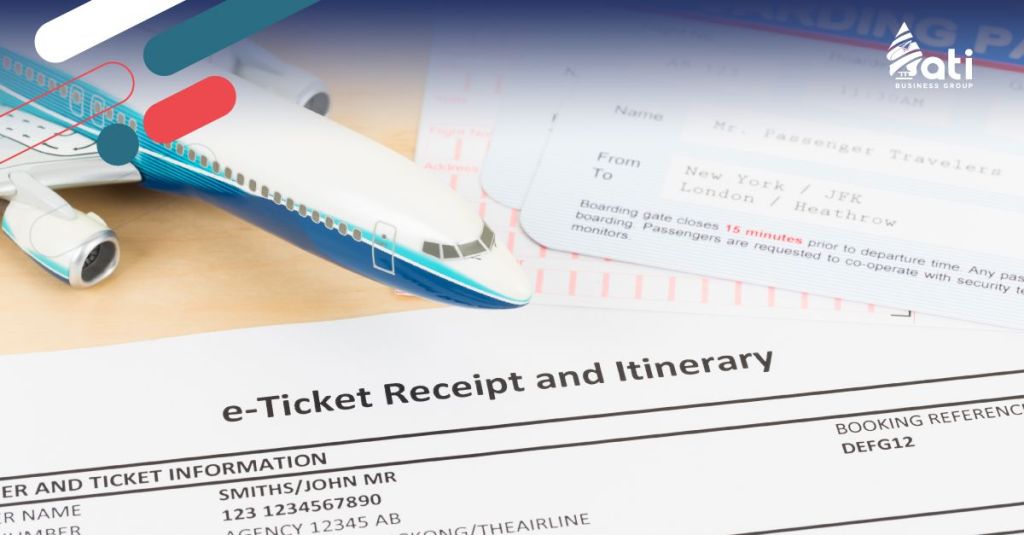
Do you remember the days of old paper airline tickets? Where arrival at the airport needs to be 2 to 3 hours in advance to check in and get a boarding pass printed just for a simple domestic flight? Evidently, the check -in process could take twice the time needed to get to a destination. Nowadays, airline tickets are generated as soon as travellers book their tickets, downloaded on their mobile phones and emailed to traveller’s convenience. Offering many advantages which include security, flexibility, cost, and convenience, e-tickets are significantly cheaper, making it possible for airlines to offer more competitive fares for travellers. E-tickets are booked and processed in real-time, saving labour hours and cutting down on travellers’ frustration. With its convenience, the travel and aviation industry is able to continue on its fast paced growth without any hindrance to unnecessary technicalities.

The future of the outsourcing industry remains bright after wrapping up 2021. While the last year was another challenging year given the ongoing concerns over the COVID-19 pandemic, it also saw areas of tremendous growth, opportunities for exploring new operating models, and lots of encouraging adaptation. Despite the need to balance safety and clients needs, there is still plenty of room for providers to thrive in.


Travel plans often change unexpectedly at the best of times. In our current pandemic travel world even more so. What was difficult enough in processing complex refunds and keeping track of expiring coupons has become noticeably more difficult with airlines issuing credit notes and even a “partial credit note” rather than cash when a credit note is used to purchase a lower fare. As a result, every day large volumes of airline tickets still eligible for a refund are expiring and that is a missed opportunity as a travel advisor for both you and your clients.