


Updates
14 Articles

From integrating automation and cloud-based solutions to addressing increasingly complex cybersecurity threats, the IT landscape in 2025 is shaping up to be one of both opportunity and challenge. For businesses of all sizes, staying ahead in this environment isn’t just about having the right tools; it’s about having the right expertise.

As the digital world evolves rapidly, organisations depend more than ever on strong IT systems and solutions to stay competitive and fuel innovation. However, a challenge most companies face are the shortage and high wages for these skilled IT talents. This shortage is caused by several factors like high demand for IT skills, specialised roles, and constant global competition. As a result, many businesses face project delays, high costs, and inefficiencies when trying to complete large IT projects.

In the dynamic landscape of the travel industry, where global connectivity and client expectations are constantly evolving, the demand for efficient and responsive ticketing services has never been more critical. Travel agents, as the orchestrators of unforgettable journeys, find themselves in a realm where the need for 24/7 ticketing support is paramount.

The pandemic has had an unprecedented impact on the global travel and tourism sector and its repercussions are still being felt. According to a Statista report, over 50 million travel jobs have been lost globally during the span of the pandemic. Now as we see restrictions being lifted gradually since mid 2022, demand surge has in turn created severe travel chaos in various countries – as seen in major cities such as London and the United States.

The surge of the COVID-19 outbreak for the past 2 years has led to a continued global rise in inflation, staffing shortages and widespread disruption of the global economy. Yet, the outsourcing industry has so far proved to be resilient in times of turmoil. According to a Statista report, the BPO industry is projected to reach US$330 billion by the end of year. This includes a compound annual growth rate (CAGR) of 6.69%, leading to a market volume of US$450 billion by 2027.

As the Travel & Aviation industry is returning back to its pre-pandemic levels, revenue and profit maximisation opportunities in the industry are on the rise. The International Air Transport Association (IATA) projects industry-wide revenue this year could result in a 54.5% increase from last year and fulfil 93.3% of the 2019 level, the last full year before Covid. Meanwhile, costs will be 44% lower year over year. According to a recent report from McKinsey & Co, the aviation industry has a massive opportunity in the years ahead with a projected value of $440.6 billion by 2030.

Organisations are constantly relying on emerging technologies to help drive strategy and growth whilst enabling them to work more efficiently in numerous ways. Finding the right software solution often comes as one of the most important stress points in organisations.

With the surge of travel demand since the lifting of most countries’ pandemic restrictions, the severe chaos in the aviation sector is undeniable and inevitable. According to FlightAware tracking data, airports around the world were already tallying more than 10,000 flight delays and 1,700 cancellations. Nearly four in five travellers (79%) who have taken an overnight trip outside their local area this year, according to a new Bankrate.com survey, have experienced at least one travel-related issue. Issues currently faced by customers and aviation providers include high prices (57%), long waits (29%), poor customer service (27%), hard-to-find availability (26%), lost money due to cancelled or disrupted plans (14%) or something else (4%).
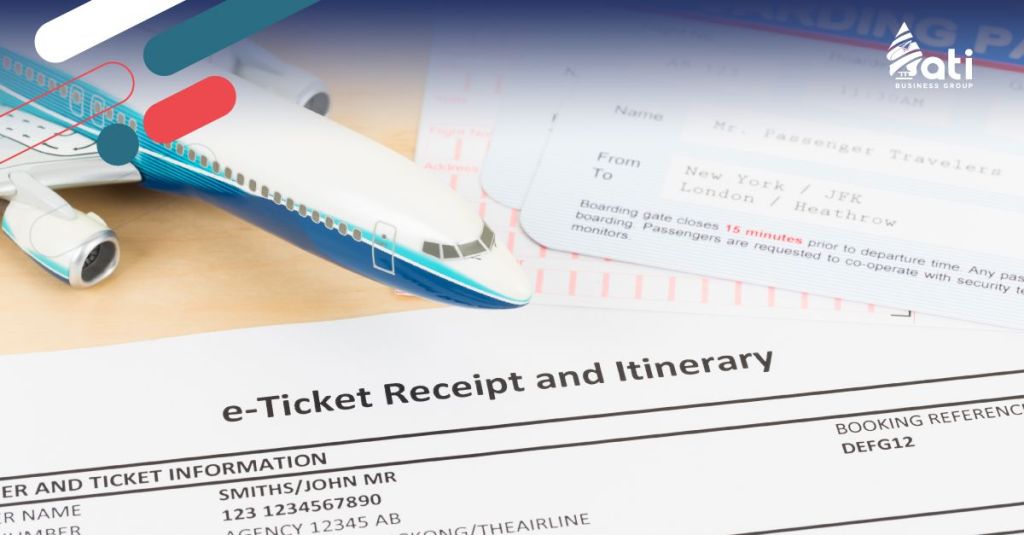
Do you remember the days of old paper airline tickets? Where arrival at the airport needs to be 2 to 3 hours in advance to check in and get a boarding pass printed just for a simple domestic flight? Evidently, the check -in process could take twice the time needed to get to a destination. Nowadays, airline tickets are generated as soon as travellers book their tickets, downloaded on their mobile phones and emailed to traveller’s convenience. Offering many advantages which include security, flexibility, cost, and convenience, e-tickets are significantly cheaper, making it possible for airlines to offer more competitive fares for travellers. E-tickets are booked and processed in real-time, saving labour hours and cutting down on travellers’ frustration. With its convenience, the travel and aviation industry is able to continue on its fast paced growth without any hindrance to unnecessary technicalities.

The future of the outsourcing industry remains bright after wrapping up 2021. While the last year was another challenging year given the ongoing concerns over the COVID-19 pandemic, it also saw areas of tremendous growth, opportunities for exploring new operating models, and lots of encouraging adaptation. Despite the need to balance safety and clients needs, there is still plenty of room for providers to thrive in.
